Connect Steel to Energy Security
Oil Country Tubular Goods (OCTG) are the backbone of drilling operations — casing and tubing literally hold the well together under extreme pressure, temperature, and corrosion environments.
But before OCTG reaches a drilling rig, it passes through some of the most technical manufacturing processes in modern industry.
And today, the biggest challenge isn’t equipment capacity.
It’s skilled technical labor.
How ResourceTek Supports the Steel & OCTG Supply Chain
ResourceTek partners with steel manufacturers and processors by providing technical workforce solutions across the entire production lifecycle.
We support roles such as:
- Process & metallurgical engineers
- Quality & NDT specialists
- Maintenance & reliability teams
- Project engineers for upgrades & expansions
- Automation & controls specialists
- Operations leadership & technical supervisors
Our teams understand steel environments — heat, scale, continuous operations, shutdown planning, and safety-critical production.
We don’t just place people. We provide talent that understands uptime, yield, and compliance.
What Makes OCTG Manufacturing Different from General Steel Production
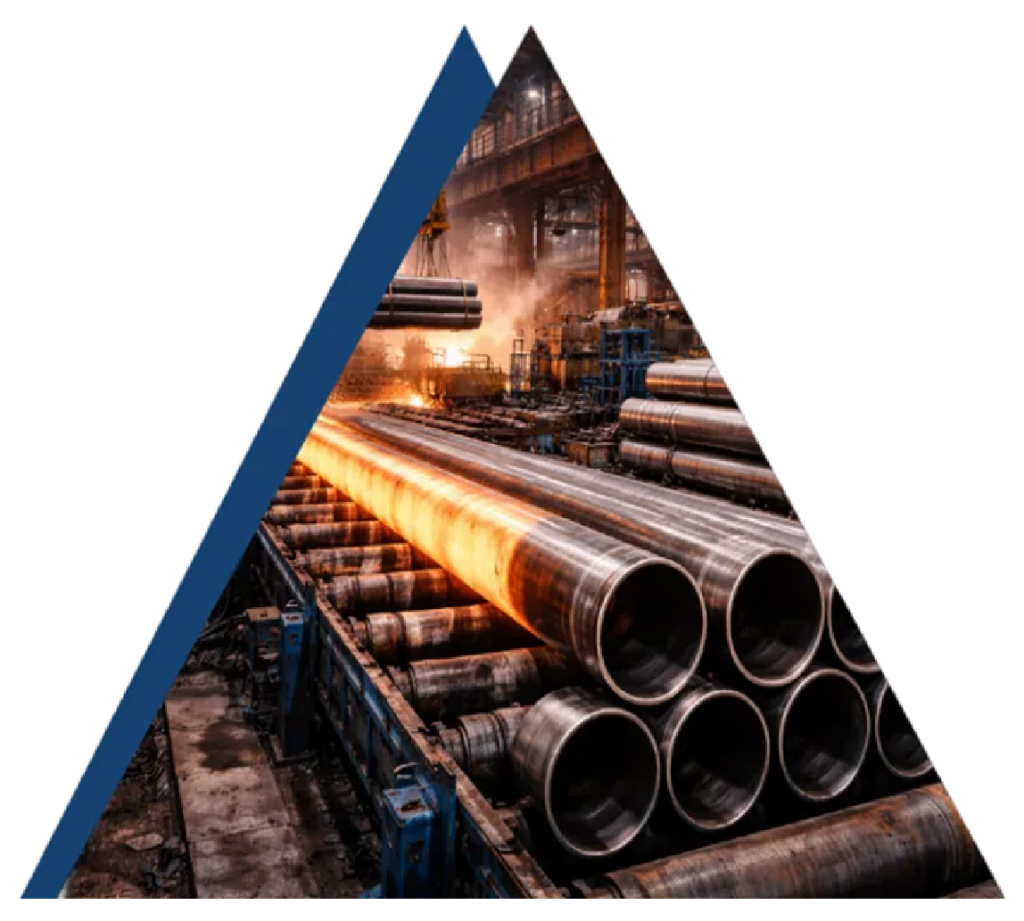
Unlike commodity flat-rolled steel, OCTG requires precision metallurgy, tight tolerances, and extensive inspection processes.
The OCTG process typically involves:
- Steelmaking (EAF or BOF)
- Billet casting
- Seamless or ERW pipe production
- Heat treatment / quenching & tempering
- Threading & coupling
- Non-destructive testing (UT, EMI, drift, hydrotest)
- Coating and finishing
Every stage requires specialized expertise — mistakes don’t just create scrap, they create field failure risk.
The Workforce Problem Steel Producers Are Facing
Steel plants aren’t short on applicants — they’re short on qualified technical talent.
The biggest gaps today:
- Metallurgical engineers
- NDT Level II & III inspectors
- Automation & controls engineers
- Mechanical reliability engineers
- Maintenance planners
- Industrial electricians
- Quality engineers
- Process improvement specialists
Many experienced employees are retiring, while modern mills rely more heavily on automation, sensors, and data systems than ever before.
Modern steel plants operate more like advanced manufacturing facilities than traditional heavy industry.
Why This Matters to Oil & Gas Operators
Poor quality OCTG can lead to:
- Well integrity failures
- Safety incidents
- Environmental exposure
- Millions in downtime
Energy companies increasingly audit manufacturing traceability, inspection procedures, and material consistency — all human-driven processes.
The reliability of a well starts with the reliability of the workforce producing the pipe.
The Future of OCTG: More Automation, More Skill Required
As mills implement:
- predictive maintenance
- smart inspection systems
- advanced heat treatment controls
- digital traceability
The demand shifts from labor quantity → labor expertise.
The steel plants that win will be the ones with the best technical workforce strategy.
Where It All Comes Together
Energy production depends on steel.
Steel production depends on people.
OCTG reliability begins long before drilling — it begins in the mill with the engineers, inspectors, and technicians who ensure every pipe meets its specification.
ResourceTek helps steel manufacturers secure the technical talent required to meet today’s performance, safety, and traceability expectations.
See How We Can Help
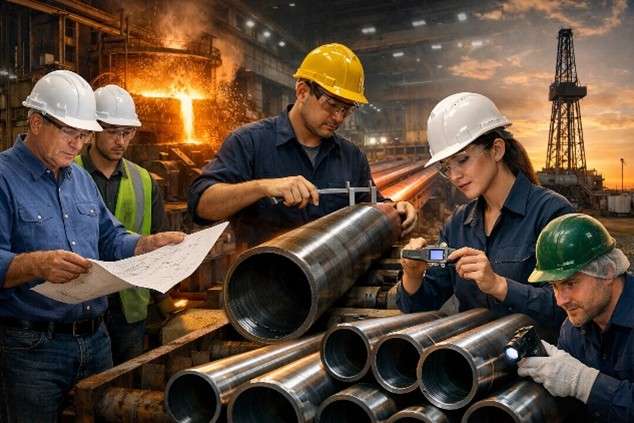
If your steel or pipe facility is facing skill gaps, expansion demands, or reliability challenges, ResourceTek can help.
Connect with our team to build a workforce strategy tailored to heavy industrial manufacturing.
ResourceTek brings strong industry knowledge across:
- Manufacturing operations
- Maintenance & reliability
- Engineering – all disciplines
- Production leadership needs
- Industrial safety & compliance
Industry knowledge makes the difference.
Talk to Eddie Munoz